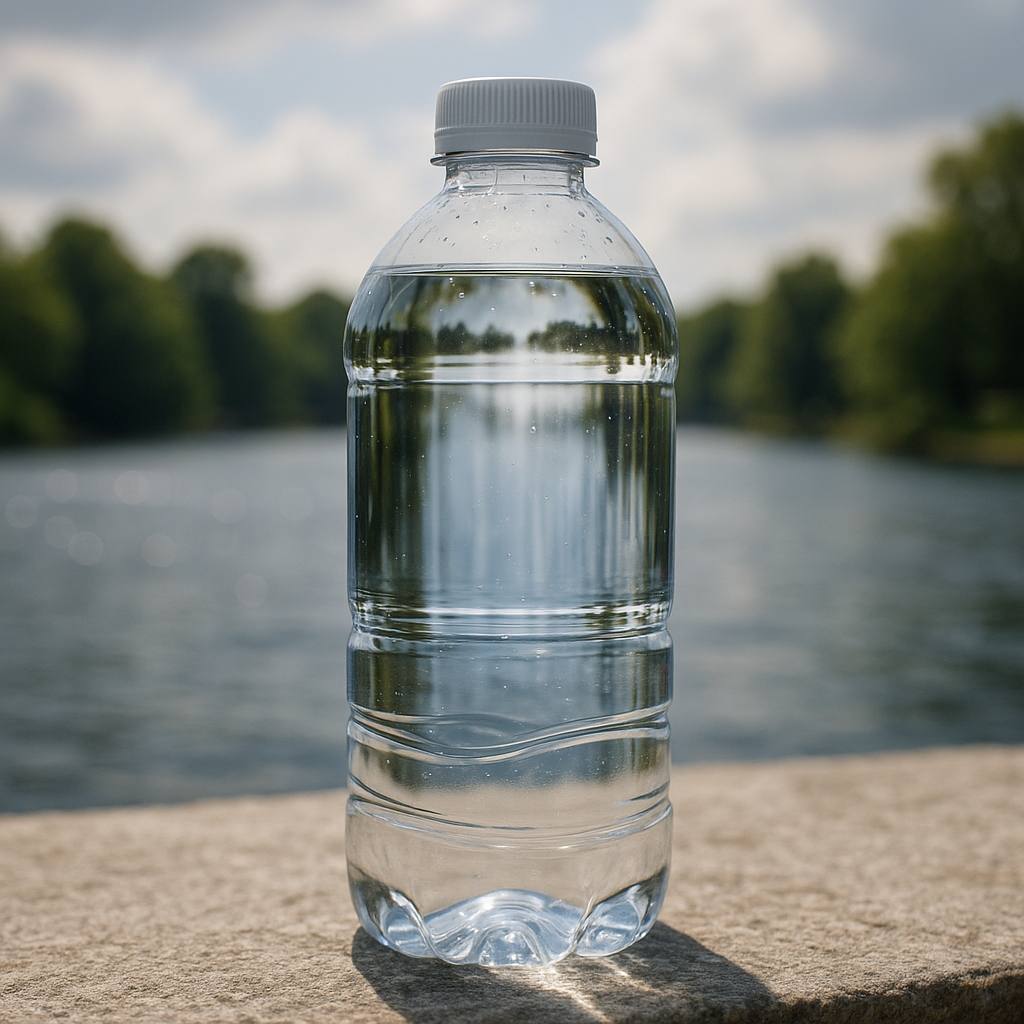
Best Water in the World: Ultimate Guide to Pure, Healthy, and Refreshing Waters
Water is essential for life. But not all water is created equal. From pristine natural springs to carefully sourced bottled waters, finding the best water in the world means understanding purity, mineral content, and taste. Whether you’re a health-conscious consumer or a curious enthusiast, this guide will walk you through everything you need to know about the best water sources on the planet.
What Defines the Best Water in the World?
The “best” water generally combines purity, optimal mineral balance, refreshing taste, and sustainability. Below are key factors affecting water quality:
- Purity: Free from contaminants including chemicals, bacteria, and heavy metals.
- Mineral Content: Natural minerals such as calcium, magnesium, and potassium improve taste and provide health benefits.
- Source: Spring, glacier, or artesian wells often offer superior water due to natural filtration.
- Taste: Clean, neutral or slightly mineral-rich flavors preferred by connoisseurs.
- Sustainability: Eco-conscious sourcing and packaging are increasingly important.
Top 7 Best Waters in the World
Here’s a curated list of waters renowned globally for their quality and purity:
| Brand/Source | Origin | Type of Water | Notable Features |
|---|---|---|---|
| Fiji Water | Fiji Islands | Artisan Aquifer | Soft, silica-rich, naturally filtered through volcanic rock |
| Evian | French Alps | Spring Water | Balanced minerals, protected source |
| Voss | Norway | Artesian Water | Low TDS, clean taste, sleek packaging |
| Gerolsteiner | Germany | Sparkling Mineral Water | Rich in calcium & magnesium, natural carbonation |
| Acqua Panna | Tuscany, Italy | Spring Water | Soft, smooth taste, ideal for pairing with wine |
| San Pellegrino | Italy | Sparkling Mineral Water | Natural carbonation, balanced minerals |
| Volvic | France | Volcanic Spring Water | Filtered through volcanic rocks, light & fresh taste |
Pros and Cons of Top Water Types
Spring Water
- Pros: Natural filtration, balanced minerals, refreshing taste
- Cons: Source can be vulnerable to pollution if not protected
Artesian Water
- Pros: Often untouched by surface contaminants, rich mineral profile
- Cons: Scarce, can be expensive
Mineral Water (Still & Sparkling)
- Pros: Health benefits from natural minerals, unique flavors
- Cons: Sparkling varieties may not suit all preferences, higher cost
Glacier Water
- Pros: Ultra-pure, crisp, often low mineral content
- Cons: Potential environmental impact from harvesting, higher price
Expert Tips for Choosing and Enjoying the Best Water
- Check the Source: Look for water sourced from protected natural springs, artesian wells, or glaciers.
- Evaluate Mineral Content: Total Dissolved Solids (TDS) between 50-250 mg/L typically indicate balanced mineral content, ideal for daily drinking.
- Packaging Matters: Choose glass or BPA-free bottles to avoid chemical leaching.
- Consider sustainability: Be mindful of the carbon footprint related to water bottling and shipping.
- Proper Storage: Store bottled water away from heat and sunlight to maintain quality.
How to Taste Water Like a Pro
Water tasting involves assessing clarity, aroma, taste, and finish. Here’s a step-by-step approach:
- Look: Check for sparkling clarity and absence of floaters.
- Smell: Take a gentle sniff – water should have a neutral or fresh scent.
- Taste: Take a small sip and let it roll over your tongue, noting sensations such as softness, minerality, or carbonation.
- Finish: Observe how the water feels after swallowing – is it smooth, crisp, or lingering?
Frequently Asked Questions (FAQs)
1. What is the purest water in the world?
Glacier and artesian waters are among the purest due to natural filtration processes. Examples include Icelandic glacier water and Bora Bora artesian water.
2. Is bottled water better than tap water?
It depends on the local water quality. Many bottled waters undergo strict purification and maintain mineral content, but some treated tap water can be equally safe and cost-effective.
3. How does mineral content affect water taste?
Minerals like calcium and magnesium add subtle flavors and mouthfeel, influencing whether water tastes soft, crisp, or metallic.
4. What water is best for health?
Water with balanced mineral content, low contaminants, and adequate hydration benefits is best. Spring and mineral waters are great choices.
5. Can drinking mineral water help with hydration?
Yes, mineral water hydrates effectively and can replenish essential minerals lost through sweat during physical activity.
Conclusion
The best water in the world is a blend of nature and science—pure, mineral-rich, and sustainably sourced. Whether you prefer still, sparkling, or artisan waters, understanding the source and quality can enhance your hydration experience. Next time you reach for a bottle, pick wisely and savor every sip.
Ready to discover your favorite water? Explore top brands and enjoy the benefits of premium hydration today!