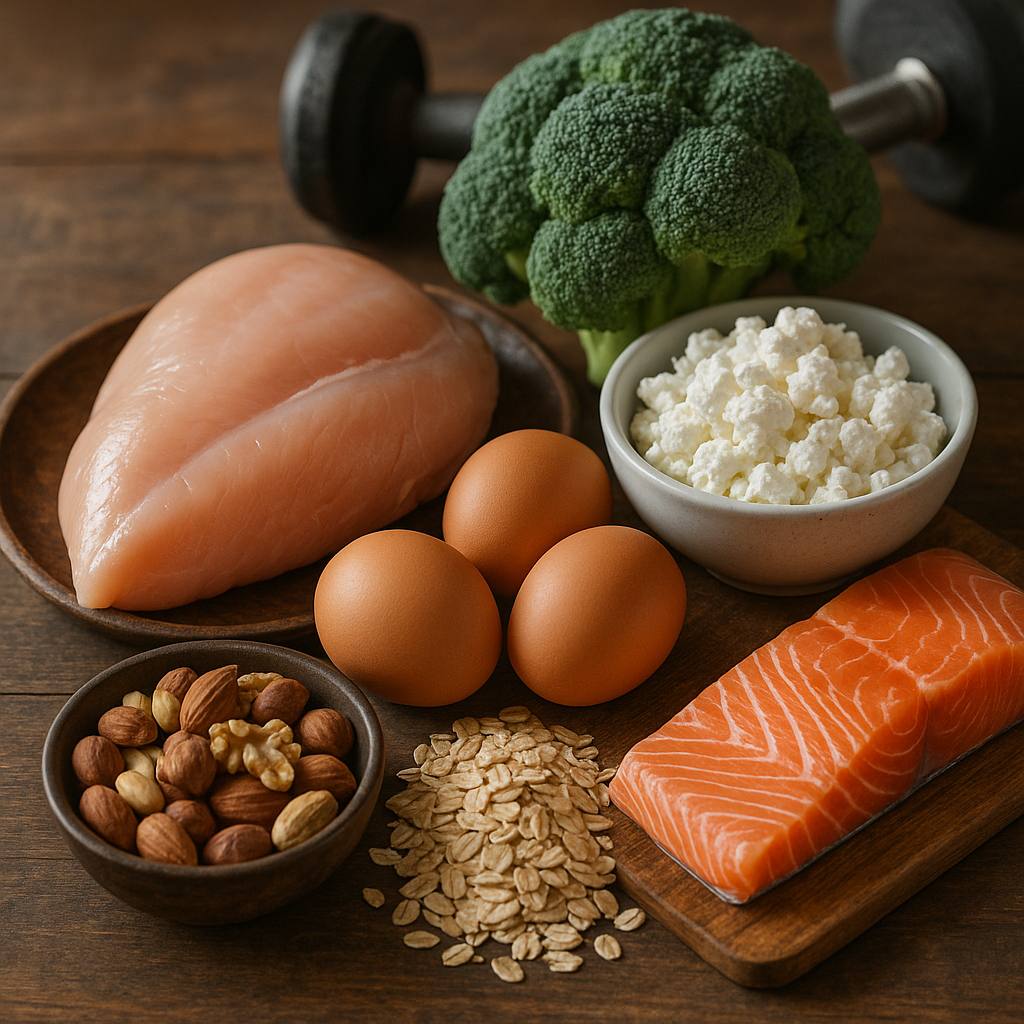
Choosing the best food for gym isn’t about chasing one “superfood.” It’s about pairing the right protein, carbs, fats, and micronutrients to support your training goal—whether that’s building muscle, losing fat, improving endurance, or simply recovering faster. The right gym diet can help you lift heavier, maintain energy through sessions, reduce soreness, and make your body composition goals more predictable.
Below is a practical, expert-backed guide to the best foods for gym-goers, with meal timing ideas, a food table, pros and cons, and simple tips you can use immediately.
What “Best Food for Gym” Really Means
“Best” depends on your goal, training time, digestion, and total daily intake. Most gym nutrition comes down to:
- Protein to repair and build muscle tissue
- Carbohydrates to fuel hard training and replenish glycogen
- Healthy fats to support hormones, joints, and long-lasting energy
- Micronutrients + hydration to support performance, recovery, and overall health
Macro basics for gym results
- Protein: Most active people do well around 1.6–2.2 g/kg/day (varies by goal and body weight).
- Carbs: Scale up on heavy training days; scale down on rest days if fat loss is the goal.
- Fats: Keep moderate—avoid extremely low fat for long periods if you want sustainable recovery and hormonal support.
Best Foods for Gym Performance and Recovery
If you want a reliable “best food list” for gym, start with these staples. They’re nutrient-dense, easy to portion, and fit most training goals.
Best protein foods for gym (muscle repair + growth)
- Chicken breast or thighs: High-quality protein, easy to meal prep.
- Eggs: Complete amino acid profile; great for breakfast or post-workout meals.
- Greek yogurt (or skyr): High protein; pairs well with fruit and oats.
- Fish (salmon, tuna, sardines): Protein plus omega-3 fats for recovery support.
- Lean red meat: Rich in iron, zinc, and creatine naturally (portion mindfully).
- Tofu, tempeh, edamame: Strong plant proteins with good versatility.
- Lentils, chickpeas, beans: Protein + fiber + carbs; great for budget-friendly meal prep.
Best carbohydrates for gym energy (training fuel)
- Oats: Slow-digesting carbs; excellent for sustained energy.
- Rice (white or brown): Easy to digest; great pre/post workout.
- Potatoes/sweet potatoes: High satiety; potassium-rich for performance.
- Bananas: Convenient pre-workout carb; easy on the stomach.
- Whole-grain bread/pasta: Helps hit carb targets for volume training.
- Fruit (berries, oranges, apples): Antioxidants + carbs for recovery.
Best healthy fats for gym recovery (hormones + joints)
- Olive oil: Easy way to add calories for muscle gain phases.
- Avocado: Fiber + potassium + monounsaturated fats.
- Nuts and nut butters: Dense calories; great for hard gainers.
- Seeds (chia, flax, pumpkin): Omega-3 (some), minerals, fiber.
- Fatty fish: Double win—protein + omega-3s.
Best micronutrient foods for gym (performance support)
- Leafy greens: Magnesium, folate, and nitrates for training support.
- Cruciferous vegetables: Broccoli/cauliflower for fiber and micronutrients.
- Colorful veggies: Peppers, carrots, tomatoes for antioxidants.
- Dairy or fortified alternatives: Calcium + vitamin D support.
- Electrolyte-rich foods: Bananas, potatoes, yogurt, coconut water (as needed).
What to Eat Before and After the Gym
Workout nutrition is less about perfection and more about timing + digestion. Eat foods that give energy without stomach issues.
Best pre-workout foods (30–120 minutes before)
Aim for carbs + some protein, and keep fat/fiber lower if you train hard or get stomach discomfort.
- Banana + Greek yogurt
- Oats with whey/plant protein + berries
- Rice cakes + peanut butter (small amount) + honey
- Chicken and rice (if you’re eating 2–3 hours before)
- Smoothie: milk/alt + banana + protein powder + ice
Best post-workout foods (within ~2 hours)
Prioritize protein plus carbs if you trained hard, especially legs or high volume. This supports muscle protein synthesis and replenishes glycogen.
- Protein shake + fruit + a bagel or cereal
- Egg omelet + toast + orange
- Salmon + potatoes + salad
- Tofu stir-fry + rice + mixed vegetables
- Greek yogurt bowl: yogurt + granola/oats + berries
Best Food for Gym: Quick Reference Table
| Food | Best for | When to eat | Why it works |
|---|---|---|---|
| Greek yogurt | Recovery, lean muscle | Pre or post | High protein, easy digestion |
| Oats | Training energy | Pre-workout | Steady carbs + fiber |
| Rice + chicken | Strength training fuel | Pre or post | Simple carb + complete protein |
| Banana | Quick energy | 30–60 min pre | Fast carbs, potassium |
| Salmon | Recovery, joints | Post-workout or dinner | Protein + omega-3 fats |
| Eggs | Muscle gain | Any time | Complete amino acids |
| Lentils | Budget muscle-building | Lunch/dinner | Protein + carbs + minerals |
| Olive oil | Calorie support, hormones | With meals | Healthy fats; boosts total calories |
Pros and Cons of “Clean Eating” for Gym Goals
Many people search “best food for gym” and assume it means only chicken, rice, and broccoli. Nutrient-dense foods help—but being too rigid can backfire.
Pros
- Better recovery: More vitamins, minerals, and antioxidants.
- More stable energy: Fewer crashes vs. ultra-processed snacks.
- Easier body composition control: Whole foods tend to be more filling.
- Improved digestion: When fiber is balanced and consistent.
Cons
- Harder to hit calories for muscle gain: Whole foods can be too filling.
- Unnecessary stress: Over-restriction can reduce adherence.
- Not always practical: Travel, work, and budget can make it tough.
- Potential under-fueling: Low carbs can hurt performance for high-volume training.
Expert Tips to Make Gym Nutrition Work (Without Overthinking)
1) Build meals around a “protein anchor”
Pick one primary protein per meal (chicken, eggs, fish, tofu, yogurt). Then add carbs and vegetables around it. This makes it much easier to hit daily protein targets consistently.
2) Match carbs to training intensity
If you do heavy lifting, high-volume hypertrophy, or cardio intervals, you’ll generally perform better with more carbs. On light days, reduce portions slightly (not to zero).
3) Use easy add-ons for muscle gain phases
- Add olive oil to rice bowls or salads
- Use granola + honey in yogurt
- Add nut butter to smoothies
- Choose higher-fat dairy if it fits your digestion
4) Don’t ignore hydration and electrolytes
Performance drops quickly with dehydration. Drink water consistently, and consider electrolytes if you sweat heavily or train in heat (especially sodium).
5) Keep “convenience foods” ready
Consistency beats perfection. Keep a few high-protein, gym-friendly options on hand:
- Protein powder
- Greek yogurt cups
- Canned tuna/salmon
- Microwave rice packs
- Frozen vegetables and berries
Sample Simple Gym Meal Ideas (Mix and Match)
For muscle gain
- Breakfast: Oats + whey + banana + peanut butter
- Lunch: Chicken burrito bowl (rice, beans, salsa, avocado)
- Snack: Greek yogurt + granola
- Dinner: Salmon + potatoes + mixed veggies
For fat loss (high-protein, filling)
- Breakfast: Eggs + spinach + toast
- Lunch: Turkey/chickpea salad with olive oil and vinegar
- Snack: Protein shake + berries
- Dinner: Lean beef or tofu stir-fry + vegetables + smaller rice portion
FAQs: Best Food for Gym
1) What is the best food to eat before the gym?
A mix of carbs + a little protein works well for most people—think banana + yogurt, oats + protein, or rice + chicken if you have more time to digest.
2) What should I eat after a workout to build muscle?
Prioritize 20–40g protein (depending on body size) plus carbs. Examples: protein shake + fruit, chicken and rice, or Greek yogurt with oats and berries.
3) Are eggs good for gym?
Yes. Eggs provide high-quality protein and key nutrients. They’re a convenient way to support muscle repair and can fit both fat loss and muscle gain plans.
4) Is rice good for gym workouts?
Yes. Rice is an effective training carb because it’s easy to digest and helps fuel performance. White rice is often easier pre-workout; brown rice adds more fiber for regular meals.
5) Can I get results without supplements?
Absolutely. Whole foods can cover the basics. Supplements like protein powder or creatine can be convenient, but results mostly come from consistent training, sufficient protein, total calories, sleep, and adherence.
Bottom Line
The best food for gym is the food that helps you train hard, recover well, and consistently hit your daily protein and calorie needs. Start with a strong base of protein (chicken, eggs, fish, yogurt, tofu), add performance carbs (oats, rice, potatoes, fruit), include healthy fats (olive oil, nuts, avocado), and round it out with colorful produce and good hydration.
If you want, share your goal (muscle gain, fat loss, or recomposition), your training schedule, and dietary preferences—and we’ll help you build a simple weekly gym meal plan that fits your routine.